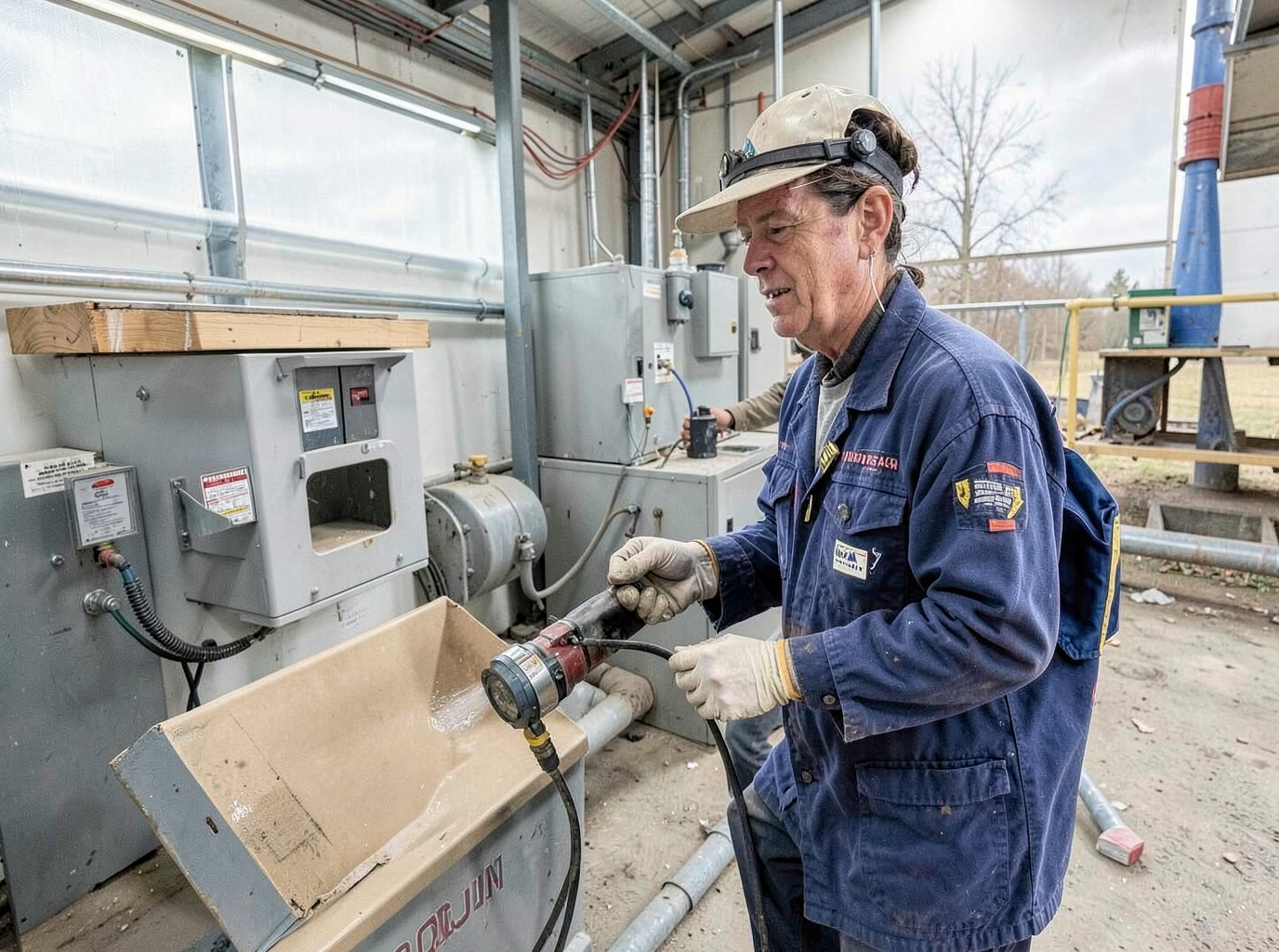
Structural drying and dehumidification addresses moisture trapped in walls, floors, ceilings, and other building components after events like roof leaks, plumbing failures, or storm damage. In Omaha's climate with hot summers, cold winters, thunderstorms, and freeze-thaw cycles, water can penetrate older housing stock common in neighborhoods such as Benson, Dundee, and Midtown. Independent local providers may use equipment to extract standing water, then apply air movers and dehumidifiers to bring moisture levels down to safe ranges. This process helps limit secondary damage in basements prevalent across Douglas County.
Common warning signs include musty odors, warped flooring, or discoloration on drywall, especially after heavy rains that affect areas near the Old Market or Aksarben. Materials like hardwood, carpet padding, and insulation retain water differently, and incomplete drying can allow mold growth. A local restoration professional may assess saturation depth with moisture meters and determine if demolition of affected sections is needed before drying begins. In South Omaha or North Omaha homes with older plumbing, appliance leaks often require targeted drying in confined spaces.
Safety considerations include electrical hazards from wet outlets and potential contamination when water contacts sewage lines or comes from external flooding near Council Bluffs or Lincoln. Providers connected through the service evaluate whether Category 1, 2, or 3 water is involved, as this changes drying protocols and equipment needs. Humidity control is critical during humid summer months or after tornado-related damage, since excess moisture can migrate into adjacent rooms or upper levels.
Homeowners may also face insurance questions depending on the cause of loss, such as sudden pipe bursts versus gradual leaks. A restoration company may document conditions for claims while advising direct verification of coverage with the insurer. Timing for drying varies with the size of the affected area, access to hidden cavities, and weather conditions that influence equipment performance in West Omaha or Little Italy properties.
Technician insight
In Omaha, the thing that catches most people out with Structural Drying & Dehumidification is how freeze-thaw cycles in older Benson and Dundee homes push moisture deep into lath-and-plaster walls that look dry on the surface but stay wet behind the paint.
Midtown Basement After Pipe Leak
A homeowner in Midtown noticed buckling hardwood after a supply line failure. The connected provider found elevated moisture in subflooring and joists extending under adjacent rooms. Drying equipment ran for five days with daily checks until readings stabilized, allowing the homeowner to avoid full floor replacement.
Structural Drying & Dehumidification Services We Offer
✓Basement Structural Drying
A local restoration professional may assess moisture in concrete walls and floors common in Omaha basements, then set up drying equipment to reduce saturation after storms or plumbing issues.
✓Wall Cavity Moisture Removal
An independent provider may use specialized tools to dry insulation and framing behind drywall in older homes found in Dundee or Benson, helping prevent hidden mold after leaks.
✓Hardwood Floor Drying
This service may involve monitoring and drying wood flooring affected by water intrusion, with a provider determining whether sanding or partial removal is required in Midtown properties.
✓Post-Storm Dehumidification
Following thunderstorms common in Douglas County, a connected provider may deploy dehumidifiers to control humidity levels and dry structural elements in attics or crawl spaces.
✓Ceiling and Drywall Drying
A restoration company may evaluate water-damaged ceilings from roof leaks near TD Ameritrade Park or Creighton University areas, then apply targeted drying methods.
How it works
- 1
Request Connection
Homeowners contact Omaha Water Damage Help during business hours to describe the water damage situation.
- 2
Provider Matching
The service connects the caller with an independent local provider when one is available to assist.
- 3
On-Site Evaluation
The provider visits the property to assess moisture levels, affected materials, and any safety concerns.
- 4
Scope And Terms
The provider explains recommended drying steps, pricing, and scheduling based on the specific job.
- 5
Work Performance
If agreed, the provider carries out structural drying and dehumidification according to their own methods and timeline.
Pricing
Costs for structural drying and dehumidification are set by the independent provider after they evaluate the property. Factors include the category of water, square footage affected, materials involved such as hardwood or drywall, extent of hidden saturation in Omaha basements, equipment runtime, and whether demolition is required. Omaha Water Damage Help does not set prices or provide quotes.